Distributor Recruitment: Beneficial Tips on Expanding Your business interest
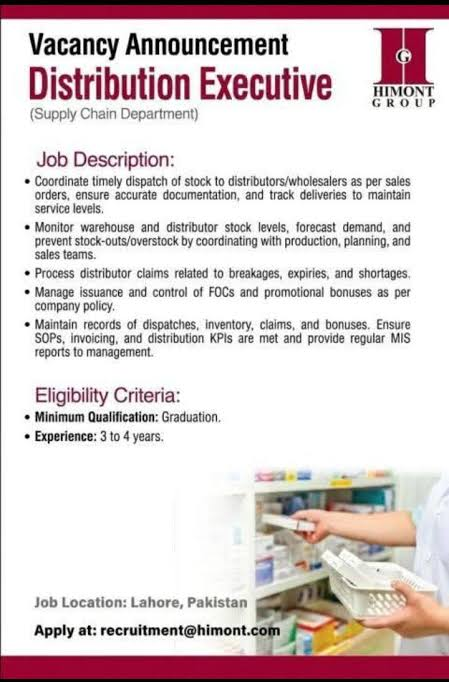
Distributor recruitment plays a vital role in aiding businesses expand their reach, introduce products to new markets, and establish dependable sales channels. As competition increases across industries, companies need distribution partners who understand customer expectations, 총판구인구직 maintain professional standards, and subscribe to sustainable growth. A vigilantly planned recruitment process might help businesses build valuable partnerships and strengthen their market position.
Why Distributor Recruitment Matters
A strong distribution network connects manufacturers and suppliers with retailers, businesses, and end customers. Effective distributors help products reach the right audiences while supporting inventory management, sales development, and customer relationships.Recruiting suitable partners allows companies to enter new regions without managing every sales activity themselves. Local distributors may already understand regional demand, purchasing habits, and competitive conditions, giving businesses useful insight into unfamiliar markets.The quality of these partnerships often matters more than how big the network. Reliable distributors can subscribe to consistent service and long-term commercial success.
Defining Your Ideal Distributor Profile
Prior to starting recruitment, companies should identify the characteristics of these ideal distribution partners. Certain requirements is determined by the item category, target customers, and business objectives.Relevant industry experience, established customer relationships, financial capacity, and efficient delivery operations may be important considerations. Businesses must also assess a candidate's reputation, communication skills, and willingness to follow along with company policies.A definite distributor profile helps recruitment teams focus on qualified applicants as opposed to spending some time on partnerships which could not meet operational requirements.
Finding Qualified Distributor Candidates
Businesses may use several channels to identify potential distributors. Industry exhibitions, professional networking platforms, wholesale marketplaces, trade associations, and business directories can offer opportunities to get in touch with interested partners.Direct outreach may also be effective. Companies may approach established retailers, wholesalers, and regional suppliers whose existing operations align making use of their products.An expert recruitment announcement should explain the business opportunity, product range, target territory, expected responsibilities, and available support. Clear information encourages suitable candidates to make contact and helps establish realistic expectations from the beginning.
Evaluating Applications and Selecting Partners
An organized evaluation process helps businesses make informed recruitment decisions. Initial discussions can reveal a candidate's experience, business objectives, customer base, and understanding of the relevant market.Companies can also review business credentials, references, distribution facilities, and financial information when appropriate. The choice process should use consistent criteria and give candidates an obvious understanding of the company's expectations.Before finalizing a partnership, both parties should discuss pricing arrangements, territory coverage, payment conditions, delivery responsibilities, and performance expectations. Written agreements can reduce misunderstandings and provide a practical framework for cooperation.
Providing Training and Business Support
New distributors need the knowledge and resources necessary to represent a company effectively. Product training, sales documentation, marketing materials, and clear ordering procedures might help partners begin operations with confidence.Regular communication is equally important. Businesses should allow it to be simple for distributors to ask questions, report market changes, and resolve delivery or customer care issues.Ongoing support can improve product knowledge, strengthen brand consistency, and help distributors respond more effectively to customer needs.
Measuring Recruitment Success
A supplier recruitment strategy ought to be evaluated through meaningful business indicators. Companies can monitor sales performance, customer retention, order accuracy, product availability, and the development of new accounts.Regular reviews help identify successful partnerships and areas where additional guidance may be needed. Performance expectations should remain realistic and account fully for differences between markets, territories, and product categories.Feedback from distributors can also reveal opportunities to improve training, pricing structures, logistics, and marketing support.
Creating Sustainable Distributor Relationships
Successful distributor recruitment continues long after an agreement is signed. Strong partnerships rely on transparency, dependable communication, fair commercial practices, and shared business objectives.Firms that invest in selecting suitable candidates and supporting their development are better positioned to create resilient distribution networks. By combining careful recruitment with ongoing performance management, businesses can improve market access, strengthen customer relationships, and create a foundation for long-term growth.